SEO
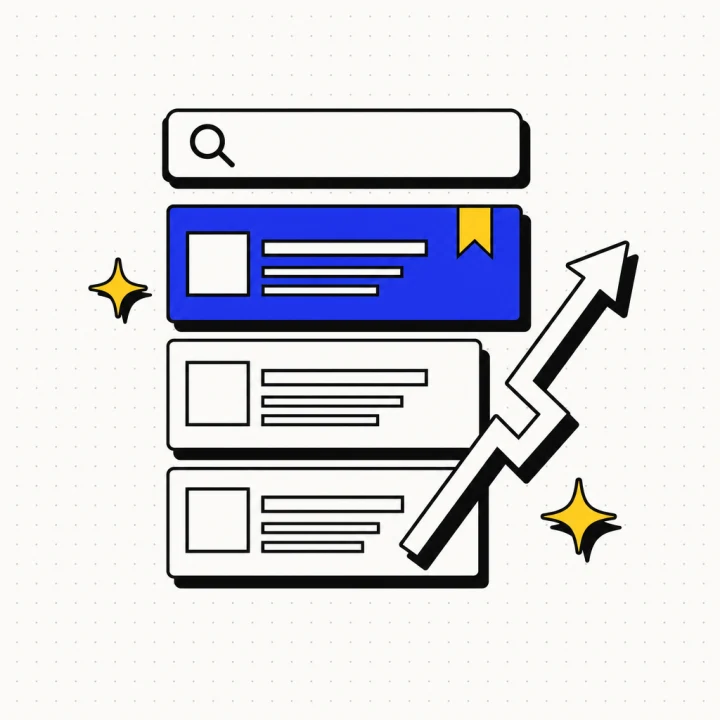
Classic search optimization
Ranking high in Google and Bing: query research, technical work on the site, and the content and links that get you onto page one.
Rank → Answer → Cited
I'm not an agency. I run e-commerce, content and affiliate properties across EU & US markets and have acquired millions of users for them — mostly through organic search.
Everything I recommend gets tested on my own sites first. What works stays; what doesn't gets dropped. Consulting for businesses in Israel, Europe and the US.

Dor Porat
Tel Aviv · Israel, Europe, US
How one query plays out
best indoor plants for low light
Ten blue links. You win by being one of them.
Best Indoor Plants for Low Light — 12 Picks
A ranked list of low-light houseplants with care difficulty, light needs and watering schedules.
Low-Light Indoor Plants: The Complete Guide
Which plants actually survive a north-facing room, how little light they need, and what to change in winter.
Low light plant recommendations? — thread
47 replies from a community of indoor gardeners.
The answer is lifted out and shown above the results.
Which indoor plants need the least light?
Snake plant, ZZ plant and pothos survive in as little as 50–100 lux — roughly a north-facing room with no direct sun.
People also ask
The model writes the answer and cites who it read.
For a room with little natural light, the most reliable choices are the snake plant, ZZ plant and pothos — all three tolerate roughly 50–100 lux1. Water them considerably less in winter, when growth slows12.
Sources
The three layers
Same page, three different things to win. Most sites optimize for the first and quietly lose the other two.
Ranking high in Google and Bing: query research, technical work on the site, and the content and links that get you onto page one.
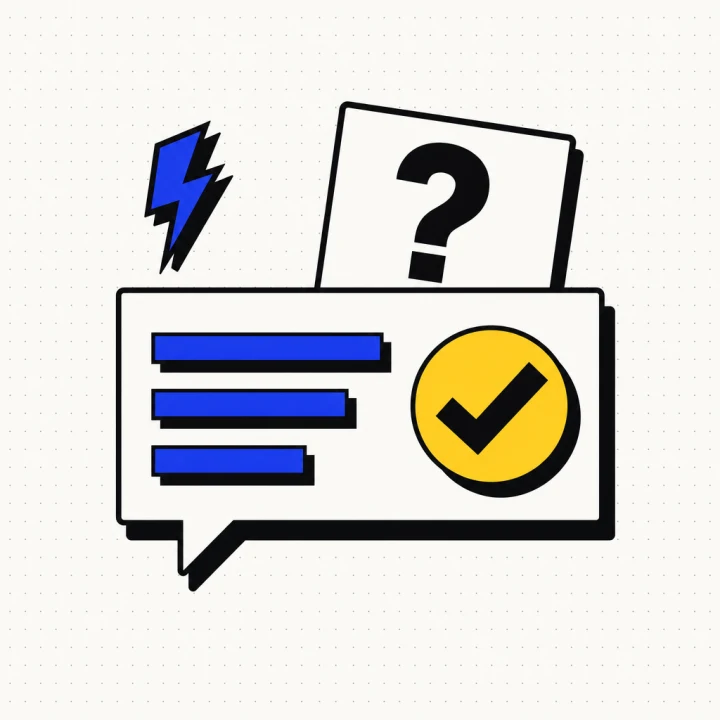
Winning the answer itself rather than the click: content built around real customer questions, with structured data that gets you into featured snippets and People Also Ask.

Getting ChatGPT, Perplexity, Gemini and AI Overviews to cite your business in the answer: wording models choose to quote, and presence in the sources they read.
| SEO | AEO | GEO | |
|---|---|---|---|
| Where it shows | The results list in Google and Bing | Featured snippets and People Also Ask | ChatGPT, Perplexity, Gemini, AI Overviews |
| What you win | A position | The answer | A citation |
| What decides it | Relevance, technical health, authority | How cleanly an answer can be extracted | Whether a model retrieves you and trusts what it finds |
| What you optimize | Crawlability, query coverage, links | Question-shaped headings, a direct first sentence, FAQ schema | Quotable phrasing, topical depth, presence in the sources it reads |
| How it's measured | Rankings, organic sessions, conversions | Snippet and People Also Ask ownership | Share of AI answers that name you |
| Works on its own | Yes | Needs SEO underneath it | Needs both underneath it |
Worked with







Proof
Unretouched screenshots from Search Console, live SERPs and AI answers , across clients and my own properties.
Named
in AI answers and by Perplexity, for a law firm
#1
for כפפות איגרוף and for חברת אאוטסורסינג
346.2K
impressions in three months, largest property
What's included
Organic search rests on three legs — technical health, content and authority. Here is what each one means in practice.
Before anything gets written: the map. What your central subject is, which of its attributes people actually search for, and which pages have to exist to cover the whole query network. Not a keyword list — a structure.
Load speed and Core Web Vitals, URL and heading structure, structured data, and clean indexing in Google, Bing and the crawlers behind the AI engines.
Pages written against the map: service pages, definitions, comparisons. A direct answer near the top, real depth below it, and phrasing a language model can lift without mangling.
A clean link profile built up over time — the authority both Google and the retrieval step behind AI answers lean on — without the shortcuts that invite a penalty.
Category architecture, product pages, faceted filters and pagination that search engines can read instead of drown in.
Organic growth across EU & US markets: research in the target language, hreflang that is actually reciprocal, and content adapted per market rather than translated at it.
Position
At an agency your site is one of dozens run to a template, split between an account manager, a writer and a link builder who rarely speak to each other. With a consultant, strategy and execution sit with one person who knows your business.
And I don't recommend tactics I read in a blog post. I own e-commerce, content and affiliate sites in competitive markets, and every approach here earns its place there first.
Four stages. You see the map before anything gets built.
Where things stand: how the site reads to Google and to AI engines, technical health, existing coverage, link profile and competitors.
Your central subject, its attributes, and the full set of pages needed to cover them — prioritised by what moves revenue, not by search volume alone.
Technical fixes, content built against the map, and link work — on my own or alongside your team, whichever fits how you already work.
Rankings, traffic and conversions, plus how often your brand appears in AI answers — with a report on what moved and why.
SEO — Search Engine Optimization — is the practice of getting a site into the organic results of Google and other search engines without paying per click. It combines technical health, content that answers real queries, and links that build the domain's authority.
AEO — Answer Engine Optimization — is structuring content so a search engine can lift a clean, self-contained answer out of it and show that answer directly, in a featured snippet or a People Also Ask box, rather than just linking to the page.
GEO — Generative Engine Optimization — is making sure that when someone asks ChatGPT, Perplexity, Gemini or Google's AI Overviews a question in your space, your business appears in the generated answer and is cited as a source.
More than ever, because AI engines don't invent answers. They run a retrieval step first, pulling in pages that already look authoritative — usually the same pages ranking well in ordinary search — and then write an answer grounded in those. If you aren't retrievable, you can't be cited.
Paid search delivers traffic immediately and stops the moment the budget does. Organic takes months but builds an asset: visits that keep arriving without media spend, at a cost per lead that falls over time. For most businesses the answer is both — paid for now, organic for later.
It varies widely with competitiveness and scope, typically from a few thousand to tens of thousands of dollars a month. I don't work from a price sheet: after a short audit of your site and competitors I scope the work to your goals, starting with whatever moves the needle most.
Usually first ranking movement within a few weeks to three months, and meaningful business results in four to eight months, depending on competition, domain age and the state of the site. Be wary of anyone promising page one within a month.
Often especially so. Focusing on a niche or a single region lets a small site beat much larger competitors, because covering a narrow subject completely is achievable in a way that covering a broad one isn't. You start with high-intent phrases and widen as authority builds.
Four pages that define the terms this service is built on. Each one stands alone and links back here.
The definitions say what these are. These two say what to do about them, and what the research does and doesn't support.
Send me your site's URL. I'll come back with an initial read — where you show up today in search and in AI answers, and what's worth fixing first.